

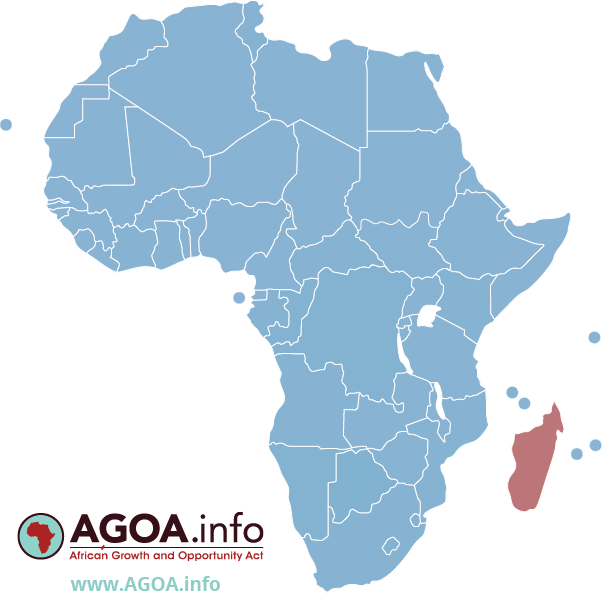
Country Info: Madagascar
Bilateral Trade by Sector: United States - Madagascar
Value ('1000 dollars), US 'domestic exports' *, US 'imports for consumption' / Includes year-to-date data
Economic Background
Madagascar is a mostly unregulated economy with many untapped natural resources, but no capital markets, a weak judicial system, poorly enforced contracts, and rampant government corruption. The country faces challenges to improve education, healthcare, and the environment to boost long-term economic growth. Agriculture, including fishing and forestry, is a mainstay of the economy, accounting for more than one-fourth of GDP and employing roughly 80% of the population. Deforestation and erosion, aggravated by bushfires, slash-and-burn clearing techniques, and the use of firewood as the primary source of fuel, are serious concerns to the agriculture dependent economy.
After discarding socialist economic policies in the mid-1990s, Madagascar followed a World Bank- and IMF-led policy of privatization and liberalization until a 2009 coup d’état led many nations, including the United States, to suspend non-humanitarian aid until a democratically-elected president was inaugurated in 2014. The pre-coup strategy had placed the country on a slow and steady growth path from an extremely low starting point. Exports of apparel boomed after gaining duty-free access to the US market in 2000 under the African Growth and Opportunity Act (AGOA); however, Madagascar's failure to comply with the requirements of the AGOA led to the termination of the country's duty-free access in January 2010, a sharp fall in textile production, a loss of more than 100,000 jobs, and a GDP drop of nearly 11%.
Madagascar regained AGOA access in January 2015 and ensuing growth has been slow and fragile. Madagascar produces around 80% of the world’s vanilla and its reliance on this commodity for most of its foreign exchange is a significant source of vulnerability. Economic reforms have been modest and the country’s financial sector remains weak, limiting the use of monetary policy to control inflation. An ongoing IMF program aims to strengthen financial and investment management capacity.
Agricultural products
rice, sugar cane, cassava, sweet potatoes, milk, vegetables, bananas, mangoes/guavas, tropical fruit, potatoes
Industries
meat processing, seafood, soap, beer, leather, sugar, textiles, glassware, cement, automobile assembly plant, paper, petroleum, tourism, mining
Industrial production growth rate
5.2% (2017 est.)
[Source: World FactBook 2021]
Download related documents
Madagascar - National AGOA Strategy 2022-2025
The new Madagascar National AGOA Strategy covers all aspects of analysis and design necessary for the formulation of a post-COVID plan and an update of the previous National AGOA Strategy. As such, the Strategy consists of two primary components. First is an assessment of the COVID-19 impact on Madagascar and AGOA-related sectors. Second is an update of Madagascar’s AGOA strategy, with the goal of developing a road map for the...
Madagascar - National AGOA Strategy 2022-2025 (french version)
La Stratégie nationale AGOA de Madagascar couvre tous les aspects d’analyse et de conception nécessaires à la formulation d’un plan post-COVID et à une mise à jour de la précédente Stratégie nationale AGOA. À ce titre, la Stratégie comporte deux composantes principales. L’analyse identifie les chocs de l’offre et de la demande dus à la pandémie ainsi que les politiques publiques mises en oeuvre à Madagascar et sur...
![Brochure - AGOA performance and country profile of Madagascar [updated 2023]](https://agoa.info/images/articles/15556/madagascaragoaguide.png)
Brochure - AGOA performance and country profile of Madagascar [updated 2023]
An overview of Madagascar's participation and utilisation of AGOA preferences since the year 2000, including relevant trade data and country-specific sector-focus. Includes profile of US exports to Angola. Double-sided A4 brochure. For printing, set 'fit to page'. Including trade data to end 2022
Madagascar - National AGOA Strategy (new version below)
The objective of the AGOA strategy is to support the ability of Madagascar’s firms to successfully sell into the U.S. market, leveraging every opportunity that AGOA provides. AGOA has had a clear impact in stimulating Africa-U.S. trade. All exports, including energy-related products, from AGOA-eligible countries have grown over 300 percent, from $21.5 billion in 2000 to $86.1 billion in 2008. It has created more than 300,000 jobs, many of...
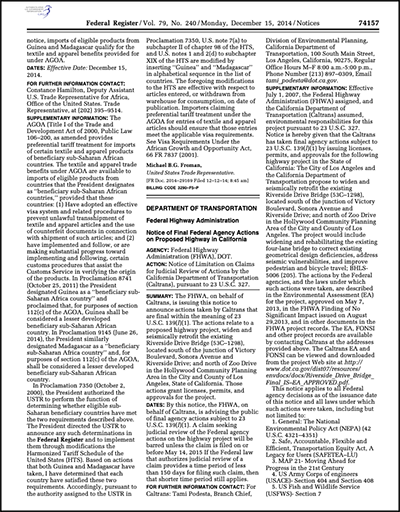
Federal Notice - Madagascar's apparel benefits reinstated 15 December 2014
In Proclamation 7350 (October 2, 2000), the President authorized the USTR to perform the function of determining whether eligible sub- Saharan beneficiary countries have met the two requirements described above. The President directed the USTR to announce any such determinations in the Federal Register and to implement them through modifications the Harmonized Tariff Schedule of the United States (HTS). Based on actions that both Guinea and...
Read related news articles
Strengthening growth & promoting US market access to women-led agricultural businesses in Madagascar
Women entrepreneurs are important sources of innovation, job creation, and economic growth, and critical actors in every aspect of the agriculture value chain. The U.S. Embassy is pleased to partner with the American Chamber of Commerce in Madagascar (AmCham) to empower Malagasy women entrepreneurs in the agriculture sector to access U.S. markets. More than half of AmCham Madagascar’s member companies operating in the food...
08 March 2023
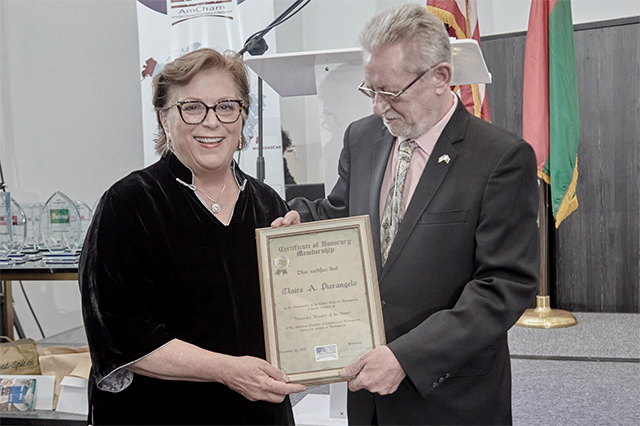
US embassy Madagascar: Remarks by ambassador Claire Pierangelo on US support, AGOA, investment
I’m honored to speak to you tonight, both as the U.S. Ambassador to Madagascar and as an honorary Member of the Board of AmCham. I have had the great pleasure to work with AMCHAMs around the world during my career and believe that this is one of the critical relationships for the U.S. government. Central to the United States’ goal of promoting peace and prosperity abroad is encouraging good governance and economic development. Now...
23 November 2022
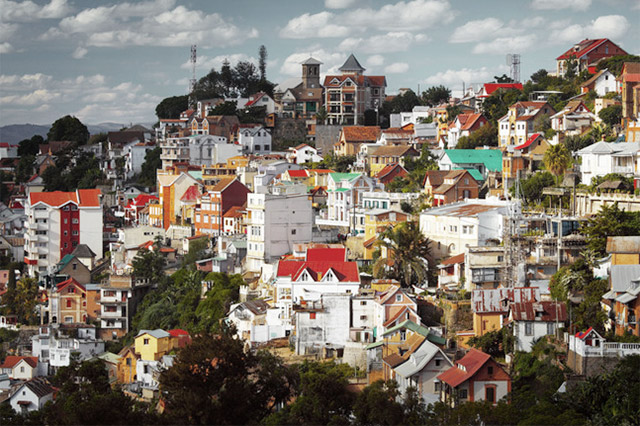
US apparel buyer linked to sourcing opportunities in Madagascar
On August 26-30, the USAID East African Trade and Investment Hub conducted a buyer mission to Antananarivo, Madagascar for a large publicly listed U.S. apparel company. The U.S buyer engaged with apparel companies in Madagascar and identified several sourcing opportunities that could support its production of apparel and related fashion goods across several top brands. “Madagascar’s private sector is recognizing and fully embracing...
05 September 2018
Madagascar may be more than a few steps ahead of Ethiopia for sourcing
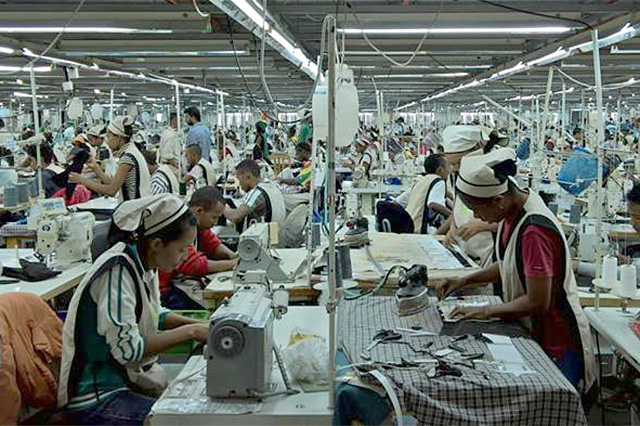
Madagascar may not be getting the same publicity as Ethiopia when it comes to the topic of sourcing in Africa, but the island nation off the southeast coast of the continent has a lot to offer that few are talking about. One thing that sets the nation apart for sourcing is its history in textile manufacturing. Madagascar had already been a go-to source for making apparel in Africa before a coup in 2009 saw the country lose its trade benefits...
21 March 2018
AGOA and Dutch Disease: The case of Madagascar
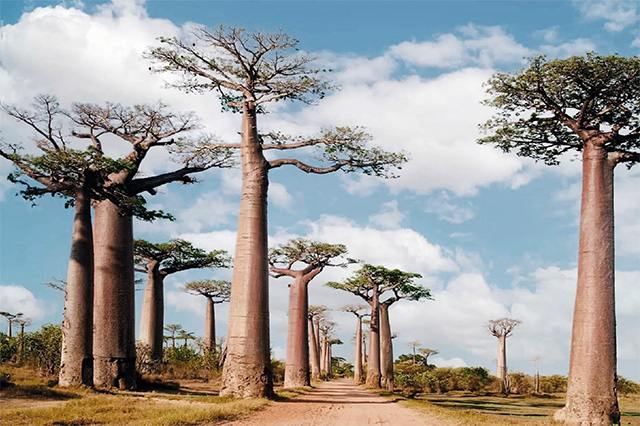
The suspension of Madagascar’s African Growth and Opportunity Act (AGOA) privileges following its 2009 coup offers a natural experiment that allows analysts to study the impact of a tariff preference program on the recipient developing country, and then, subsequently, the impact of its removal. The situation provides two distinct but comparable states: One with preferential access (2001-2009—the “AGOA years”) and the other...
18 February 2015

Federal Register - Madagascar and Guinea comply with AGOA visa system
The AGOA (Title I of the Trade and Development Act of 2000, Public Law 106-200, as amended provides preferential tariff treatment for imports of certain textile and apparel products of beneficiary sub-Saharan African countries. The textile and apparel trade benefits under AGOA are available to imports of eligible products from countries that the President designates as “beneficiary sub-Saharan African countries,” provided that these...
15 December 2014
Africa: President Obama removes Swaziland, Reinstates Madagascar for AGOA benefits
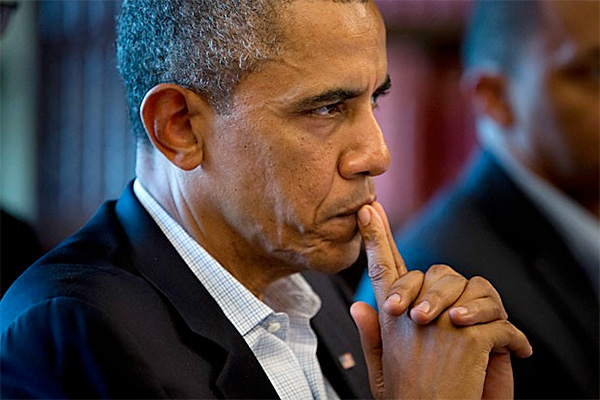
President Obama reinstated Madagascar's eligibility for African Growth and Opportunity Act (AGOA) benefits, effective immediately, and withdrew Swaziland's AGOA eligibility, effective January 1, 2015. Madagascar Madagascar was removed from AGOA on January 1, 2010 following a 2009 coup d'état. Successful elections in late 2013 led to the formation of Madagascar's first democratic government since the 2009 coup. The United States has taken...
27 June 2014
Madagascar's exclusion from AGOA to continue for now
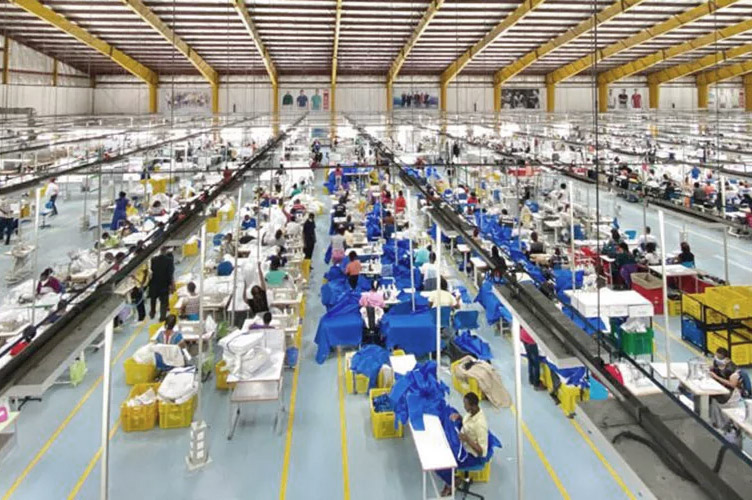
The United States will not restore trade privileges to Madagascar this year, according to a statement received Saturday that cited human rights concerns and the failure to restore democracy in the Indian Ocean nation. Madagascar has been excluded from the Africa Growth and Opportunity Act (AGOA) programme since 2009 when then president Marc Ravalomanana was overthrown in a coup that left Andry Rajoelina in charge of a transitional,...
06 January 2013
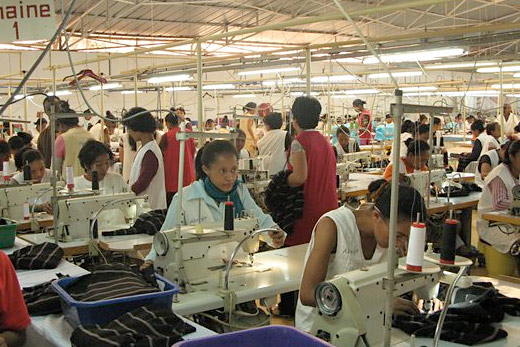
Madagascar textile sector posts 20% growth in 2011
The textile industry in Madagascar, an island country located in the Indian Ocean off the southeastern coast of Africa, has recorded 20 percent growth last year, the Group of Free Enterprises and Partners (GEFP or Groupement des entreprises franches et partenaires) has said. The increase in the sector's performance is mainly owing to a rise in exports of Malagasy products to the European markets, said Charles Giblin, President of GEFP. Mr....
16 February 2012
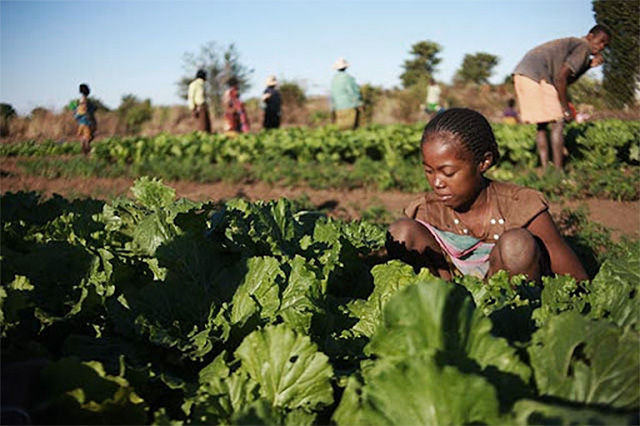
Madagascar: Donors deliver despite sanctions
After more than two years of political crisis, Madagascar finally appears to be moving towards the restoration of democracy. A new prime minister has been appointed, and elections are planned for 2012. Donors who suspended aid to the impoverished island nation are watching these developments closely. "I think no one will be coming out of the woodwork unless they see that the Malagasy are serious about their transition," said USAID Country...
01 December 2011
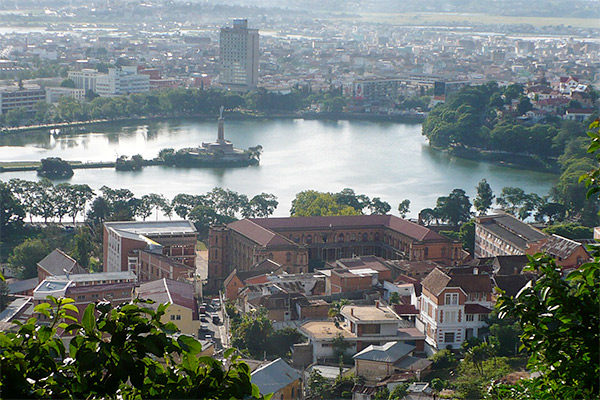
Madagascar: Clothing producers face hard times following AGOA suspension
Madagascar's textile and clothing sector has been harmed by the country's suspension from the US African Growth and Opportunities Act (AGOA), after losing these trade benefits last December. "More than 60,000 jobs were lost since the beginning of this year when Hong Kong companies were closed down with the removal of these trade facilities," says John Hargreaves, vice-chairman of the Madagascar Export Processing Zone Association. The...
22 October 2010