

Country Info: Tanzania
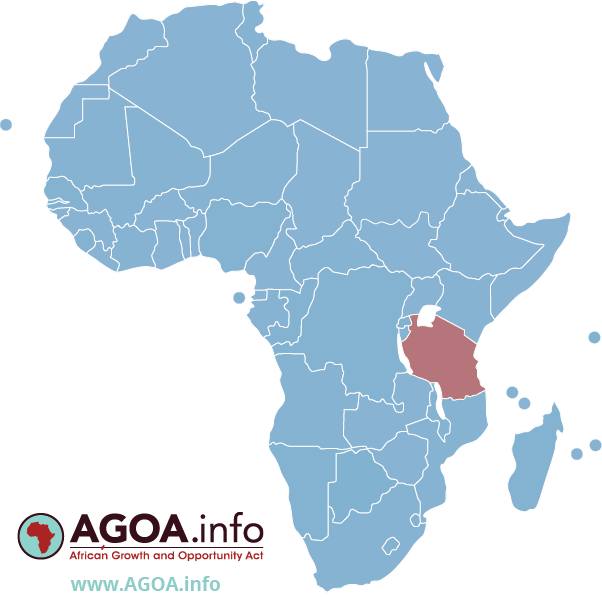
Bilateral Trade by Sector: United States - Tanzania
Value ('1000 dollars), US 'domestic exports' *, US 'imports for consumption' / Includes year-to-date data
Economic Background
Tanzania has achieved high growth rates based on its vast natural resource wealth and tourism with GDP growth in 2009-17 averaging 6%-7% per year.
Dar es Salaam used fiscal stimulus measures and easier monetary policies to lessen the impact of the global recession and in general, benefited from low oil prices. Tanzania has largely completed its transition to a market economy, though the government retains a presence in sectors such as telecommunications, banking, energy, and mining.
The economy depends on agriculture, which accounts for slightly less than one-quarter of GDP and employs about 65% of the work force, although gold production in recent years has increased to about 35% of exports. All land in Tanzania is owned by the government, which can lease land for up to 99 years.
Proposed reforms to allow for land ownership, particularly foreign land ownership, remain unpopular.
The financial sector in Tanzania has expanded in recent years and foreign-owned banks account for about 48% of the banking industry's total assets. Competition among foreign commercial banks has resulted in significant improvements in the efficiency and quality of financial services, though interest rates are still relatively high, reflecting high fraud risk.
Banking reforms have helped increase private-sector growth and investment.
The World Bank, the IMF, and bilateral donors have provided funds to rehabilitate Tanzania's aging infrastructure, including rail and port, which provide important trade links for inland countries. In 2013, Tanzania completed the world's largest Millennium Challenge Compact (MCC) grant, worth $698 million, but in late 2015, the MCC Board of Directors deferred a decision to renew Tanzania’s eligibility because of irregularities in voting in Zanzibar and concerns over the government's use of a controversial cybercrime bill.
The new government elected in 2015 has developed an ambitious development agenda focused on creating a better business environment through improved infrastructure, access to financing, and education progress, but implementing budgets remains challenging for the government.
Recent policy moves by President MAGUFULI are aimed at protecting domestic industry and have caused concern among foreign investors.
Agricultural products
cassava, maize, sweet potatoes, sugar cane, rice, bananas, vegetables, milk, beans, sunflower seed
Industries
agricultural processing (sugar, beer, cigarettes, sisal twine); mining (diamonds, gold, and iron), salt, soda ash; cement, oil refining, shoes, apparel, wood products, fertilizer
Industrial production growth rate
12% (2017 est.)
(Source: World Factbook, 2021)
Download related documents
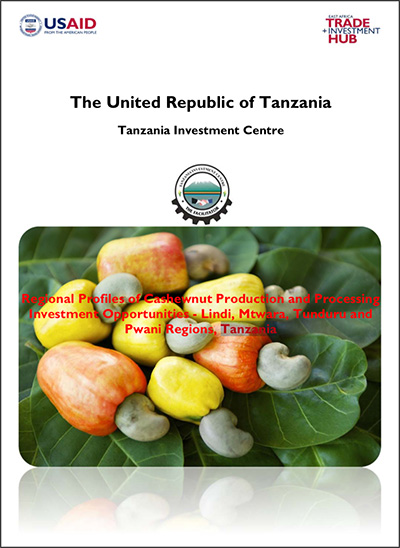
Tanzania: Regional profiles of cashew nut production and processing investment opportunities
Cashew nuts are grown in the Southern parts of Tanzania, on the opposite side of the border of the cashew-growing region of Mozambique. Cashew nuts originate from Brazil; Portuguese traders brought the seeds to Africa in the 16th century. The trees soon found their way to Mtwara region; an Indian Ocean port on trade routes once plied by David Livingstone. Tanzania is now the World’s 3rd largest producer of cashews and maybe the world’s...
![Brochure - AGOA performance and country profile of Tanzania [updated 2023]](https://agoa.info/images/articles/15560/tanzaniaagoaguide.png)
Brochure - AGOA performance and country profile of Tanzania [updated 2023]
An overview of Tanzania's participation and utilisation of AGOA preferences since the year 2000, including relevant trade data and country-specific sector-focus. Includes profile of US exports to Angola. Double-sided A4 brochure. For printing, set 'fit to page'. Including trade data to end 2022
The phase-out of second-hand clothing imports: what impact for Tanzania?
The East African Community has begun phasing-out imports of second-hand clothing to promote the development of the domestic garment sector. Using trade data and information obtained from the exporters, this study produces the first estimate of disaggregated imports of second-hand clothing in Tanzania. The net import of used clothing is estimated at over 540 million pieces per year, compared to a domestic production of new clothing of 20...
Tanzania - National AGOA Strategy
This strategy has identified four sectors that can be developed rapidly for the purpose of increasing Tanzanian participation in AGOA market access opportunities. First, the garments and textiles sector where harvesting low-hanging fruits in the garments subsector can generate the resources for subsequent investment in the textiles segment of the value chain. Second, the agro-processing sector, which includes horticultural products, spices and...
Read related news articles
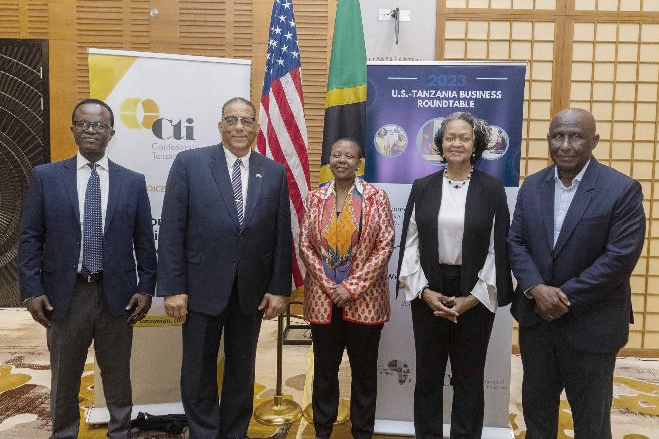
CTI and CCA coming together to develop a US-Tanzania trade and investment strategy
The Confederation of Tanzania Industries (CTI) has partnered with the Corporate Council on Africa (CCA) to develop a strategic approach to increase US-Tanzania trade and investments. The call was made by Ambassador Elsie Kanza, the Tanzanian Ambassador to the US. Among many other things, Ambassador Kanza tasked CTI to bring more visibility and awareness to the opportunities to expand Trade and investment between Tanzania and the USA under the...
13 November 2023

Africa seeks bigger US trade slice for AGOA to make sense
African countries may need more trade privileges with the US even as Washington reviews the African Growth and Opportunity Act (Agoa) meant to expand what the continent will export. At the end of the US-Africa summit in December, Washington pledged to renew Agoa, bringing clarity to uncertainties that had befell exporters from countries such as Kenya. But now experts say the narrow view of Agoa should be expanded to allow them to export more...
11 January 2023

Kenyan textile company eyes export market through new Zanzibar facility
A Kenyan company is setting up a $51.3 million (about Sh115 billion) factory in Zanzibar as it targets to get a pie of the world’s $920 billion textile market. The global textile industry was estimated at around $920 billion in 2018, and it was projected to reach approximately $1,230 billion by 2024, available global data show. With its $51.3 million factory at Chunguni area in Zanzibar, Basra Textiles Limited is specifically targeting...
12 January 2022

Tanzania strategises to up trade through AGOA
Tanzania has expressed its commitment to pulling up its socks in undertaking a number of measures in an effort to boost export to the US under the African Growth and Opportunity Act (Agoa). As envisioned in the National Agoa Strategy 2016, the measures according to the Industry and Trade Ministry, include: cutting operational costs to spar production, building a Tanzania-US traders network and improving business environment through the...
27 July 2021
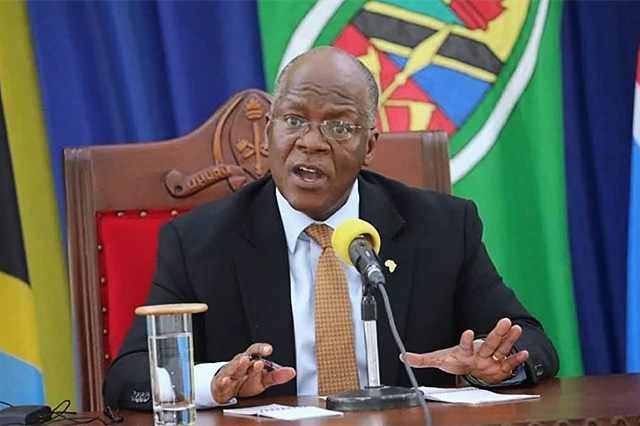
Tanzania: Key US Congress members raise concerns about elections and treatment of US investors
The ranking Democratic and Republican members of the U.S. House Subcommittee on Africa are packing a resolution urging the government of Tanzania to respect human and economic rights and to conduct free and fair elections on October 28. House Resolution 1120 – sponsored by California Democrat Karen Bass, who chairs the subcommittee, and the ranking Republican, Chris Smith from New Jersey – reflects growing concern over political and...
01 October 2020
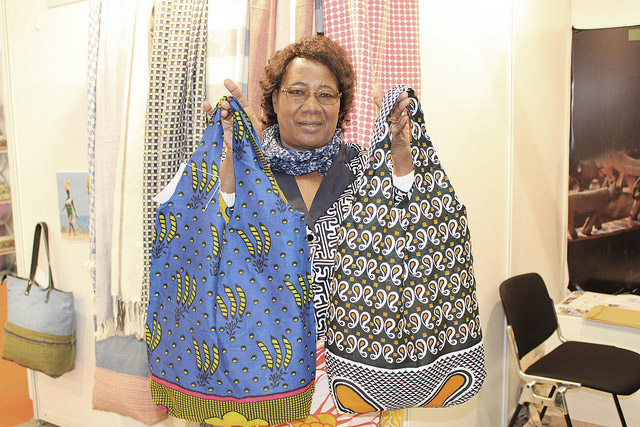
Tanzanian home textiles firms gain insights on US market
Tanzanian textile companies received a boost to their efforts to export products to the U.S. after attending a half-day workshop hosted by the USAID Hub. Fifteen Tanzanian design enterprises learned about U.S. market opportunities on January 15 in Dar es Salaam from Margaret Bishop, an expert in textile and apparel production and quality management. Ms. Bishop provided the companies with technical insights on U.S. home textile market trends,...
24 January 2019

Hello, America! USAID, direct flights to increase AGOA exports to US
The US Agency for International Development (USAID) Hub will from November 2018 to March 2019 provide direct support in the audit and Worldwide Responsible Accredited Production (WRAP) certification process. Already, USAID is helping companies in the East African region become more export competitive. WRAP is a minimum standard for social compliance where US textile and apparel buyers procure products from ethical and socially compliant...
19 October 2018

Opinion: Banning second-hand imports doesn't solve East Africa's clothes problem
Banning the import of second-hand clothes is not the answer to reviving East Africa's textile industry. But the deal to phase out the imports also hands another political score to the US, writes DW's Isaac Mugabi. The move to not ban the sale of second-hand clothing was a relief to petty traders. In 2015, Kenya, Rwanda, Uganda, and Tanzania agreed on a three-year plan to gradually phase out the importation of second-hand clothes and...
05 March 2018
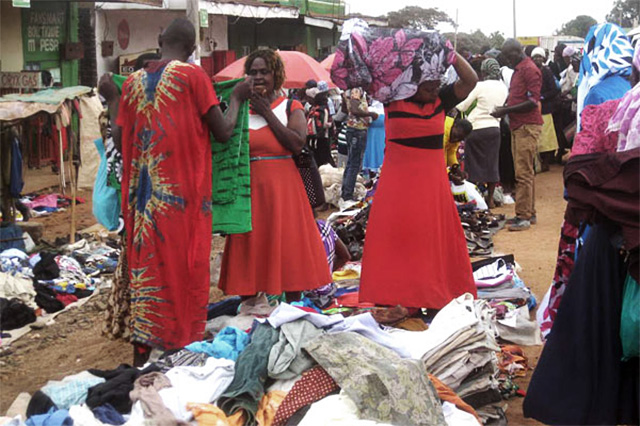
'US threats force EAC to back down on secondhand clothes ban' - Article
East African countries have backed down on their initial stand on banning the importation secondhand clothing. Instead they will use of tax measures and incentives to spur local manufacturing. During the EAC Heads of State retreat on infrastructure and health financing in Kampala, the EAC presidents resolved to prioritise the development of a competitive domestic textile and leather sector to provide affordable clothes and leather products...
24 February 2018

EAC heads of state to meet over health, infrastructure and AGOA
East African Community Heads of State are expected to convene in Uganda’s capital Kampala next week to discuss a number of regional matters, including infrastructure and health sector growth. Olivier Nduhungirehe, the State Minister in the Ministry of Foreign Affairs, Cooperation and East African Community, confirmed to The New Times on the agenda includes a two-day Joint EAC Heads of State Retreat on Infrastructure and Health...
19 February 2018
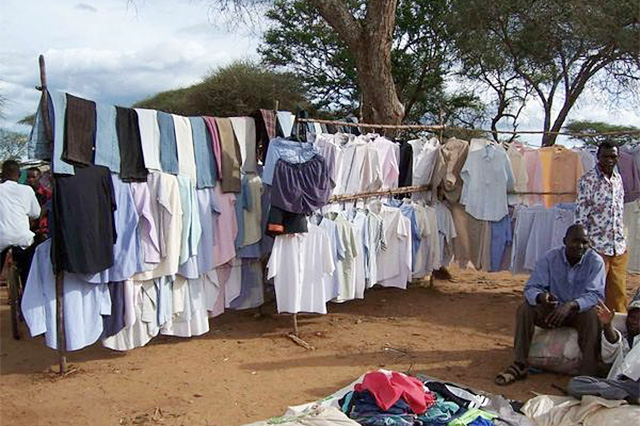
Three African nations may face AGOA sanctions if Mitumba banned
Rwanda, Tanzania and Uganda will face US trade penalties, including losing eligibility for duty-free clothing exports to the US market under the African Growth and Opportunity Act (AGOA), if they decide to stop import of used clothes from the United States, according to the US State Department. The three countries have time till next week to take the call. Washington sees stopping of used clothing imports, known as...
19 February 2018